

The Importance of Toenail Trimming
Why, when and how?
The Importance of Toenail Trimming
Why, when and how?
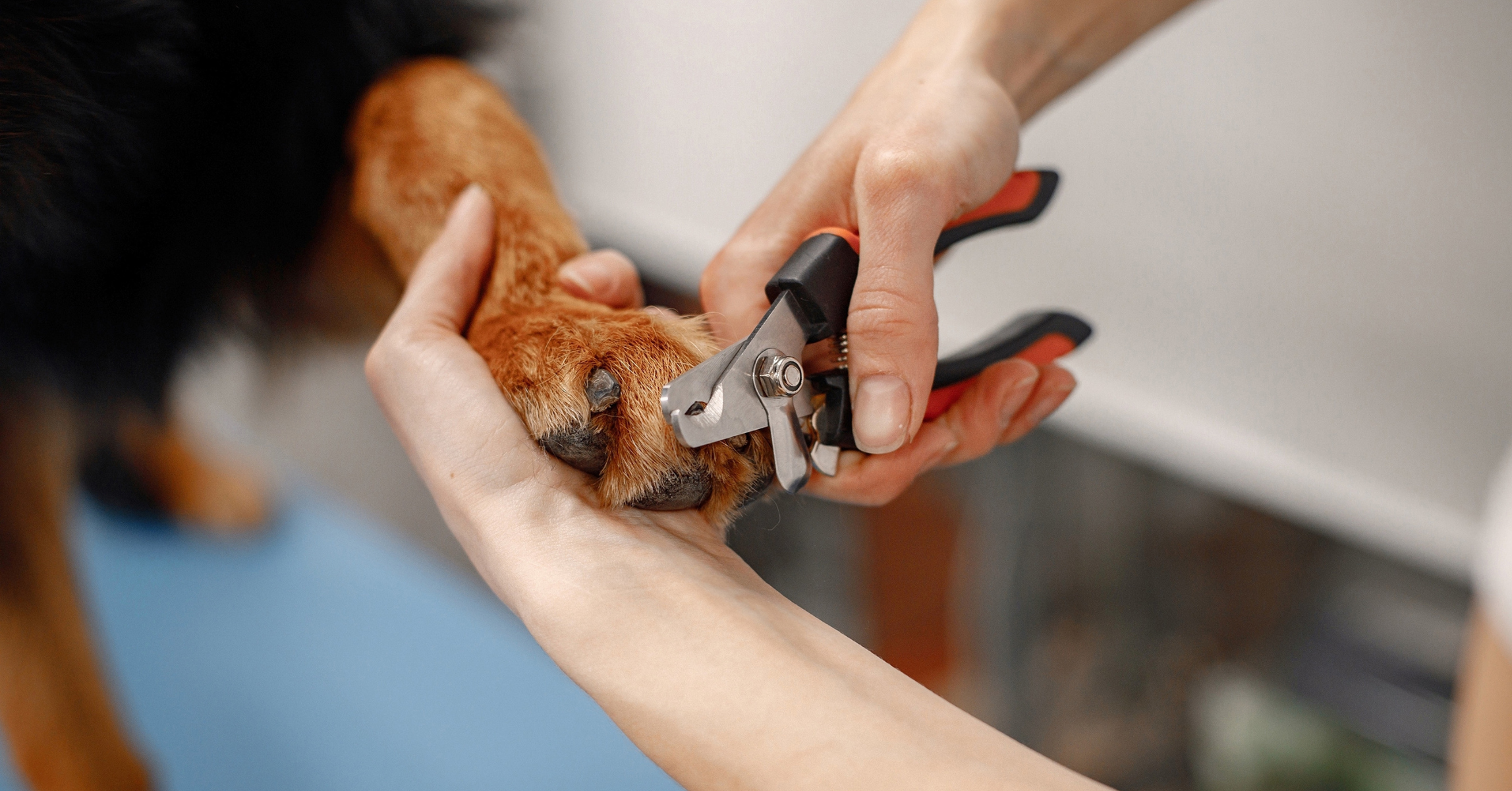
Nail trimming is one of the most commonly overlooked parts of dog grooming, yet it plays a huge role in your dog’s comfort, mobility, and overall health. Long nails aren’t just a cosmetic issue. When left unattended, they can cause pain, affect posture, and even contribute to long-term joint problems.
Understanding why nail care matters, how often it should be done, and how to make the process easier can help keep your dog happy, healthy, and pain-free.
How can long nails affect your dog’s comfort and health?
When a dog’s nails grow too long, they press into the ground with every step. This constant pressure pushes the nail back into the nail bed, which can be uncomfortable or painful, especially on hard surfaces like floors or pavement. Over time, this discomfort may cause dogs to change the way they walk or stand, placing extra strain on joints, muscles, and ligaments and potentially leading to mobility issues.
Long nails are also more likely to snag, crack, or break. A torn nail can be extremely painful and may bleed heavily or become infected, often resulting in an unexpected trip to the vet. Keeping nails trimmed also helps reduce scratches on floors, furniture, and people, particularly in playful or excitable dogs.
How Often Should You Trim Your Dog’s Nails?
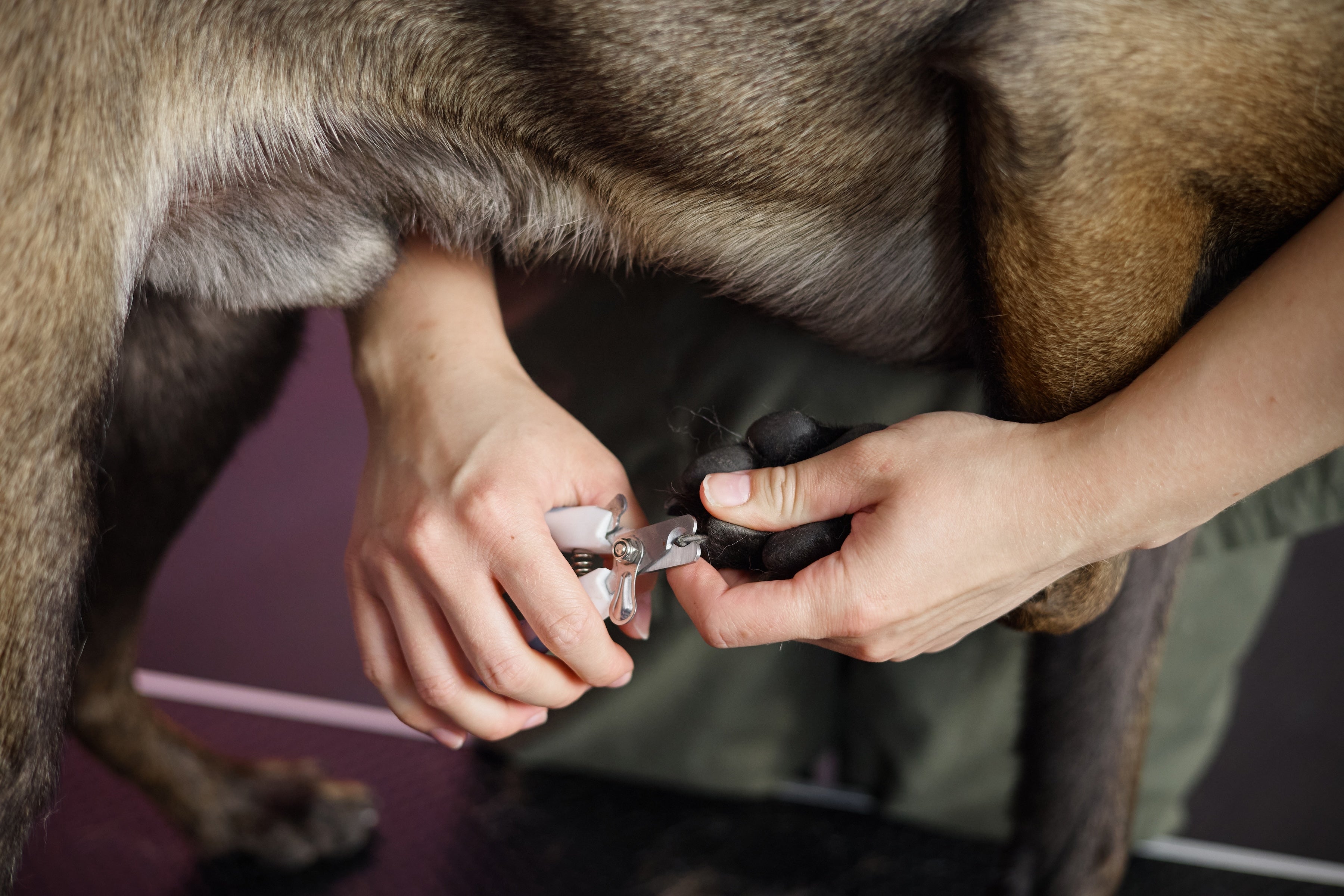
Most dogs need their nails trimmed every three to six weeks, although this can vary depending on factors such as activity level, age, breed, and the surfaces they regularly walk on. Dogs that spend more time on grass may need trims more often than those who walk on concrete. A simple way to tell if it’s time for a trim is if you can hear your dog’s nails clicking on the floor.
What You Need To Know About Trimming Black Nails
Black nails can be more challenging to trim because the quick isn’t visible like it is in lighter-coloured nails. This makes it especially important to go slowly and trim small amounts at a time. Looking at the nail from underneath can help, as you may notice a chalky or grey centre as you get closer to the quick—this is a good sign to stop trimming.
Using a nail grinder can be helpful for black nails, as it allows you to gradually shorten the nail with more control. Good lighting is also important, and taking breaks helps prevent accidents. If you’re unsure or nervous, a professional groomer or veterinarian can safely trim black nails and help avoid cutting the quick.
Tips for Stress-Free Nail Trimming
If possible, introducing nail trimming at a young age can make it much easier over time. For adult dogs who are nervous, gently handling their paws regularly helps build comfort and trust. Using proper dog nail clippers or a nail grinder is important, as dull or incorrect tools can cause pain.
Creating a calm environment makes a big difference. Choose a quiet space, offer treats and praise, and keep sessions short and positive. If your dog becomes stressed or you feel unsure, it’s always okay to stop and seek professional help.